How Gutter Installation Improves Water Flow Efficiency

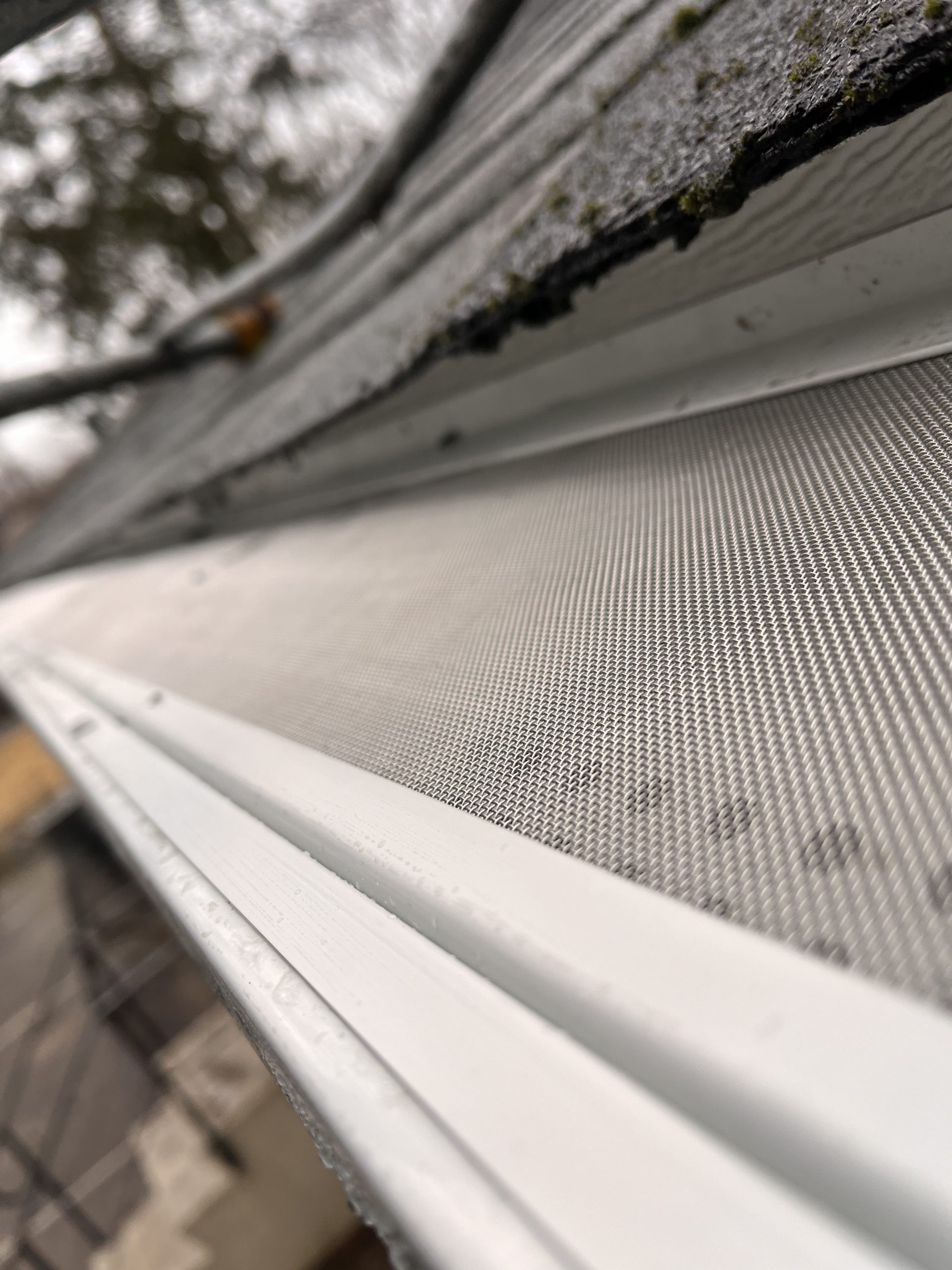
Water rarely causes trouble all at once. More often, it works quietly at the edges. A drip line deepens near the foundation. Soil shifts a little each season. Fascia boards stay damp longer than they should. Siding takes splash-back every time it rains hard. By the time a homeowner notices peeling paint, mildew, or a wet basement corner, the real problem has usually been underway for years.
That is why proper Gutter Installation matters more than many people realize. Gutters are not just roof accessories. They are part of a drainage system designed to control velocity, direction, and discharge. When they are sized and installed correctly, they turn chaotic roof runoff into a predictable flow path. That single change improves water flow efficiency across the entire exterior of a home.
I have seen this play out on modest ranch homes, steep-roofed colonials, and newer builds with complicated rooflines. In each case, the basic principle stays the same. Rain lands on the roof, gathers speed, and needs a controlled route away from the building envelope. Without that route, water follows gravity wherever gravity wins. With a good gutter system, the water moves where the house needs it to go.
What water flow efficiency really means
Efficiency, in this context, is not about squeezing more water through a narrow channel. It is about handling runoff with as little overflow, backup, pooling, and structural stress as possible. A well-designed gutter system captures water at the roof edge, carries it without bottlenecks, and discharges it far enough away that it cannot cycle back toward the house.
That sounds simple, but it depends on several interacting factors. Roof area affects total volume. Pitch affects speed. Valley placement concentrates flow. Regional rainfall intensity changes demand dramatically. A house in a light-rain climate may perform adequately with a basic system that would fail during a summer storm in the Southeast. Efficiency is always local and always tied to actual conditions.
A common mistake is to think of gutters only when they overflow visibly. Overflow is one failure mode, but not the only one. Water flow can also be inefficient if gutters hold standing water, if downspouts empty too close to the foundation, if seams leak steadily, or if a sag causes debris to dam the line. Even when water remains technically inside the system, poor movement can shorten material life and create maintenance problems.
The roof edge is where runoff gains momentum
Rainwater does not slide off a roof in a neat, uniform sheet. It gathers in patterns. Valleys concentrate it. Steeper planes accelerate it. Long roof runs increase volume before discharge. By the time runoff reaches the eave, it can carry enough force to overshoot a shallow or undersized gutter.
That is one of the first ways Gutter Installation improves efficiency. A correctly positioned gutter intercepts runoff at the point where it leaves the roof edge. Placement matters. If the front lip sits too low, fast-moving water can shoot past it in a heavy storm. If it sits too high, shingles at the lower edge may wick water improperly or interfere with drainage. Good installers pay attention to the roof’s drip line, not just the fascia board.
This is especially important on metal roofs and steep asphalt roofs. Both can send water off quickly during intense rainfall. I have seen homes where the owner assumed bigger gutters were the answer, when the real problem was placement. The gutter itself had capacity, but it was mounted in a way that let water leap over the edge during peak flow. Repositioning solved more than replacing.
Capacity matters, but sizing is not guesswork
People often ask whether five-inch or six-inch gutters are better. The answer depends on the roof’s effective drainage area and the area’s typical rainfall intensity. Bigger is not automatically smarter, but undersized is almost always costly.
On a simple home with moderate roof area, five-inch K-style gutters may perform well for years. On a larger home, a steep roof, or a design with major valleys feeding one section, six-inch gutters often make better sense. The difference is not cosmetic. Larger gutters can capture and carry more water without surging over the sides. They also tend to pair with larger downspouts, which improves discharge capacity.
There is another nuance here. Homeowners sometimes focus only on the horizontal gutter run and ignore downspouts. That is like widening a road but leaving the exit ramp https://zionovye907.opalvector.com/posts/how-downspouts-impact-the-success-of-gutter-installation too small. The system can only move water as efficiently as its narrowest point allows. If the gutter fills faster than the downspout can drain it, capacity is lost even when the gutter itself appears adequate.
A practical rule from field experience is that problem areas usually reveal themselves at roof intersections, long fascia runs, and corners where too much water is funneled toward one outlet. Those sections deserve closer analysis than straight runs on smaller roof planes.
Pitch is the hidden factor that determines whether water moves or stalls
A gutter should not look dramatically sloped from the ground, but it does need a precise pitch. Too little slope and water lingers. Too much and the system becomes visually obvious, while one end may sacrifice capture height. The installer’s job is to strike the balance.
Even a slight, consistent pitch helps water flow toward the downspout rather than settling in low spots. Standing water is more than an annoyance. It adds weight, attracts debris, encourages corrosion in some materials, and becomes a mosquito issue in warmer climates. In winter-prone regions, poor drainage can also contribute to ice formation that stresses hangers and joints.
This is one place where craftsmanship matters more than many homeowners expect. On paper, “sloped toward the downspout” sounds easy. In practice, fascia irregularities, roofline waves, and long runs make it easy to create subtle bellies in the system. Those low points trap water and reduce overall flow efficiency.
I have walked jobs where a gutter looked fine from ten feet away but held several feet of standing water because one hanger pulled loose over time. The result was predictable. Debris collected there first, then water slowed further, then overflow started at a point that had not originally been the system’s weak spot. One small sag changed the behavior of the entire run.
Downspouts do more than empty gutters
Downspouts are the transition point from roof drainage to site drainage. If gutters collect water well but downspouts do not move it away effectively, the system is only half successful.
The number, size, and placement of downspouts directly affect water flow efficiency. Fewer downspouts may look cleaner, but long horizontal runs that rely on one outlet often strain during heavy rain. In many cases, adding another downspout improves performance more than upsizing the whole gutter run. That is especially true where roof valleys feed concentrated discharge.
Placement at corners is common, but not always ideal. A downspout should discharge where water can continue moving away from the foundation without creating erosion, staining, or icing hazards. On some homes, that means tying into underground drains. On others, it means using splash blocks or extensions long enough to clear planting beds and settle points near the structure.
The most efficient system is not the one that simply gets water off the roof fastest. It is the one that completes the journey responsibly. If a downspout dumps hundreds of gallons a few inches from the foundation during a storm, the house still has a drainage problem.
Seamless systems reduce friction points and leakage
There is a reason seamless gutters became the standard recommendation for many residential projects. Every seam is a potential failure point. Joints can separate, sealant can age, and tiny leaks can develop long before they are visible from the yard.
From a water flow perspective, seamless systems improve efficiency by reducing interruptions along the run. Water meets fewer edges where debris can catch and fewer weak points where drips can bypass the intended path. The result is usually better long-term performance and lower maintenance, especially on longer straight sections.
That does not mean sectional gutters cannot work. They can, and on smaller budgets they may be a practical option. But they require more vigilance. If I am assessing recurring overflow or fascia staining on an older home, seam condition is one of the first things I check. A system may have acceptable slope and adequate sizing, yet still perform poorly because water escapes at multiple joints or because accumulated debris snags at every connection.
Materials influence flow, durability, and maintenance
Material selection affects more than appearance. Aluminum remains popular because it is relatively light, corrosion resistant, and cost-effective. Steel offers strength but needs more attention to corrosion over time. Copper lasts well and develops character, though at a significantly higher price. Vinyl can suit certain budgets and climates, but it tends to be less forgiving in temperature extremes and can become brittle with age.
The smoothness and rigidity of the material matter in subtle ways. A rigid gutter is better at maintaining proper pitch over time when adequately supported. A material that resists corrosion and pitting tends to preserve internal flow more reliably. This may not be obvious in the first year, but after five to ten years the difference becomes clearer.
In real-world maintenance terms, aluminum seamless gutters often hit the practical sweet spot for many homes. They are not the only good choice, but they tend to balance performance, longevity, and installation efficiency well. For a homeowner focused on water control rather than architectural statement, that balance usually matters more than the premium finish.
The surrounding site can make a good gutter system look bad
Sometimes a gutter system is blamed for a drainage issue that actually begins on the ground. If the lot slopes toward the house, if flower beds are built up above the foundation line, or if downspouts discharge into compacted soil that cannot absorb water, even well-installed gutters may seem ineffective.
This is why efficient water flow should be treated as a chain, not a single component. Roof runoff enters gutters, moves through downspouts, exits near grade, and then must continue away from the structure. If the final stage fails, the earlier stages lose much of their value.
A good installer will notice site conditions and raise concerns. A better one will explain that gutters are part of a broader water management strategy that includes grading, drainage extensions, and sometimes underground conveyance. Homeowners appreciate that honesty once they understand the cost of solving only half the problem.
Where poor installation usually goes wrong
Bad gutter performance often comes from a handful of repeat mistakes. They are not always obvious at handoff, which is why some systems look fine until the first serious storm.
- improper slope that leaves standing water
- too few downspouts for the roof area served
- gutters mounted too far from the drip edge
- fastener spacing that allows sagging over time
- discharge points that release water too close to the foundation
Each of these affects flow efficiency in a different way. Some reduce capture. Others reduce conveyance. Others compromise discharge. The result is the same, water ends up where it should not be.
A homeowner once told me his new gutters “worked except when it really rained.” That turned out to be a revealing description. During light showers, almost any gutter can look competent. During heavy flow, the flaws emerge. In his case, one long rear section had a beautiful straight appearance but only one downspout. The roof valley fed directly into the middle of that run. During cloudbursts, the gutter became a temporary reservoir and spilled over behind a shrub line where no one noticed until the crawlspace smelled damp.
Maintenance preserves the efficiency you paid for
Even the best Gutter Installation cannot stay efficient if the system is clogged with leaves, granules, twigs, and roof sediment. Maintenance is not glamorous, but it is inseparable from performance. Debris changes how water behaves inside the channel. It creates dams, slows movement, and redirects overflow to vulnerable areas.
Trees make the maintenance picture more complicated. A home beneath mature oaks or pines may need seasonal cleaning more than once a year. Fine debris can be just as problematic as large leaves because it compacts near outlets and forms a dense slurry that resists flushing.
There is also a misconception that guards eliminate all maintenance. They reduce certain types of buildup, and on some homes they are worth the investment. But no guard system is completely maintenance-free. Small particles still collect. Some designs shed leaves well but struggle with seeds or needles. The best results come when the guard type matches the local debris pattern.
A simple maintenance routine goes a long way:
- inspect after major storms
- clear downspout blockages promptly
- check for loose hangers and visible sagging
- confirm water discharges well away from the house
- watch for overflow marks on fascia or siding
Those checks do not take long, and they often catch problems before wood rot, erosion, or interior moisture become expensive repairs.
Heavy rain exposes design quality
Storm intensity is where efficient systems prove themselves. During moderate rain, even mediocre gutters may appear fine. During a fast-moving summer thunderstorm or a prolonged cold-season downpour, the differences become obvious.
A well-installed system manages surges by combining capture capacity, proper slope, and sufficient downspout drainage. Water may run loudly, but it stays in control. A poorly planned system reaches its limit quickly. You see sheeting over the front edge, corner spillover, and pooling below. If splash-back reaches siding or window trim, the system is no longer protecting the envelope effectively.
Climate should shape expectations. In regions with frequent high-intensity rainfall, upgrading from standard assumptions to more robust sizing often pays off. On homes with large roof areas, the additional cost of larger gutters and downspouts is modest compared with the damage uncontrolled runoff can cause over time.
Energy, foundations, and exterior longevity all benefit indirectly
Gutters are often discussed only in terms of drainage, but the benefits spread wider. Efficient water movement helps preserve foundation stability by reducing concentrated saturation near the base of the home. It helps exterior paint and trim last longer by minimizing constant wetting. It reduces soil erosion that can expose roots, shift mulch, or undermine walkways.
Basements and crawlspaces also benefit. Not every moisture problem begins at the roofline, but poor roof drainage contributes more than many people think. When thousands of gallons of rainwater per season are allowed to collect near the structure, the odds of seepage rise. Gutter systems cannot replace waterproofing or grading corrections, but they dramatically reduce the volume of water pressing the issue.
Over the long term, that means fewer repairs that seem unrelated at first glance. Cracked caulk lines, stained masonry, rotted soffits, and settlement-related cosmetic cracks often have water management somewhere in the background.
Choosing installation quality over the cheapest bid
There is a big difference between having gutters attached to a house and having a drainage system installed thoughtfully. The cheapest quote may use lighter materials, fewer hangers, minimal downspouts, and generic assumptions about slope and roof area. That approach saves money on day one and often costs more later.
When evaluating a contractor, it helps to listen for the kinds of questions they ask. Do they talk about roof valleys, runoff concentration, discharge points, and fascia condition? Do they look at grade around the home? Do they explain why they are recommending a certain size or number of downspouts? Those details usually separate a careful installer from one who is simply pricing linear feet.
Good installation is not fancy. It is precise. It respects how water behaves on that specific house, in that specific climate, on that specific site.
Why efficient flow starts with correct installation
At its best, a gutter system does something deceptively simple. It takes an unruly force and gives it a route. But that route only works when design, sizing, pitch, support, and discharge all align. When they do, water moves faster where it should, slower where it must, and away from the building before it can do harm.
That is the real value of Gutter Installation. It improves water flow efficiency not by making rain disappear, but by controlling its path from roofline to ground with as little waste and risk as possible. For homeowners, that translates into drier foundations, cleaner exterior walls, less erosion, and a house that holds up better through the seasons.
The system may spend most of its life above eye level, doing work no one notices. That is usually the sign it was installed well.
Just Gutters LLC
Address: 262 Main St, Hackettstown, NJ 07840
Phone number: +12013319454
FAQ About Gutter Installation Hackettstown
Can I install a gutter myself?
Yes, you can install gutters yourself. DIYers typically use aluminum or vinyl sections from home improvement stores. The project requires basic tools, precise measuring, and comfort working on ladders. Key steps include snapping a chalk line for a slight slope (1/4 inch per 10 feet toward downspouts), securing hangers every 2 feet, and caulking all joints securely.
How much does body contouring usually cost?
The Home Depot typically charges between $1,000 and $3,600 for a standard professional gutter installation on a typical single-family home with 200 linear feet of gutters. Calculated on a per-foot basis, the cost usually ranges from $5 to $18 per linear foot, highly dependent on the material you select.
How much does a 40 ft seamless gutter cost?
A 40 ft seamless gutter run will cost between $240 and $1,120+ fully installed, depending on the material you choose. Because seamless gutters require specialized on-site fabrication machines, they are rarely sold as DIY kits and are priced per linear foot.