How Gutter Repair Helps Preserve Curb Appeal
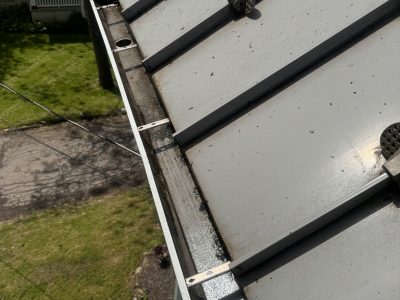
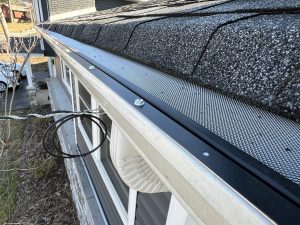
Most homeowners think about curb appeal in terms of paint color, landscaping, shutters, lighting, and the condition of the front door. Those details matter, but they do not work in isolation. A house can have neatly trimmed shrubs, a freshly sealed driveway, and tasteful exterior finishes, yet still look tired if the gutters are sagging, stained, bent, or overflowing. Gutter repair rarely gets the same attention as more visible upgrades, but it has an outsized effect on how a home presents from the street.
That effect is partly cosmetic and partly structural. Gutters run along the roofline, which means they frame the upper edge of the house the same way trim frames windows and doors. When they are straight, clean, and functioning properly, the entire exterior looks sharper. When they pull away from the fascia or spill water down siding, they create the kind of visual disorder that buyers, neighbors, and visitors notice immediately, even if they cannot quite name the source.
There is also a practical reason curb appeal and gutter condition are linked. Exterior beauty does not last where water is allowed to roam. Overflowing gutters discolor soffits, streak siding, erode mulch beds, splash dirt onto brick, and turn entry paths into muddy zones. Left alone, those problems move from cosmetic to expensive. Good Gutter Repair is not just about fixing a drainage system. It is about protecting the clean lines, color, and condition that make a house look cared for.
The eye notices roofline problems quickly
People tend to read a house from the top down. The roof, fascia, gutters, and upper trim register before anyone studies flower beds or porch furniture. That is why minor gutter defects often have a larger visual impact than homeowners expect.
A gutter does not need to be falling off the house to hurt appearance. A slight dip in the middle of a run can throw off the roofline enough to make an otherwise tidy home seem neglected. A seam stained by years of overflow can create dark vertical marks that pull attention away from architectural details. Downspouts installed at odd angles can make the front elevation feel clumsy, especially on symmetrical homes where balance matters.
On older homes, these issues are even more noticeable because the architecture often depends on crisp edges and proportional trim. A Craftsman bungalow, a Colonial, or a brick ranch can tolerate only so much visual noise before it starts to look worn. Newer homes are not exempt either. Vinyl siding and factory-finished trim are meant to look uniform. Water streaks and bent aluminum interrupt that uniformity right away.
I have seen homes where the owner spent thousands on landscaping while ignoring gutters that leaked directly above the front walk. The result was a house that photographed well from one angle and looked neglected from another. Once the damaged sections were rehung, the joints resealed, and the downspouts adjusted to drain properly, the change was immediate. Nothing else had been updated, but the home looked newer because the lines were straight again and the staining stopped.
Water stains are curb appeal killers
One of the least appreciated benefits of gutter repair is stain prevention. Water leaves evidence. It darkens paint, lifts dirt onto siding, and creates mineral tracks on masonry. Even clear runoff can make a house look dingy over time.
When gutters overflow, water often runs behind them and down the fascia board. That can cause peeling paint or soft wood, but before the damage gets that far, it usually creates visible discoloration. White trim turns gray. Light-colored siding develops vertical streaks. Brick picks up efflorescence, which is that chalky white residue that forms when moisture moves through masonry and leaves salts behind. None of this helps curb appeal.
The front of the house suffers the most because that is where details are meant to look finished. A stain above the garage door or over the porch roof acts like an underline beneath the problem. Once your eye lands there, it becomes difficult to notice the positive features around it.
Repair matters because it interrupts the cycle. Sealing leaking joints, correcting slope, securing loose hangers, and clearing obstructions allows water to move where it should, into the gutter, through the downspout, and away from the house. That sounds basic, but it is exactly what preserves clean surfaces.
Landscaping depends on proper drainage
Curb appeal is not confined to the walls of the house. The ground-level setting matters just as much, and gutters play a large role there. If water dumps in the wrong place, it can flatten flowers, wash out mulch, carve channels in beds, and leave bare patches where grass should be thick.
This is one of the more frustrating situations for homeowners because the symptoms often look like landscaping problems at first. A bed near the front corner keeps thinning out. Mulch drifts after every storm. Hostas near the downspout never look right. Grass along one side of the walkway stays muddy for days. The instinct is to replace plants or add fresh mulch, but if the gutter above is clogged or the downspout discharges too close to the foundation, the effort never holds.
I remember one property where the owners had redone the front beds twice in three years. They blamed shade, soil, and even the nursery stock. The real issue was a crushed https://beauxhix289.urbanvellum.com/posts/gutter-repair-tips-for-homes-surrounded-by-pine-trees downspout elbow hidden behind a shrub. Every moderate rain sent water across the mulch toward the porch steps. Repairing that single elbow and extending the discharge point changed the whole look of the front yard within a season. The plants established, the edging held, and the walkway stopped collecting silt.
Gutter repair supports curb appeal because it protects the investment beneath the roofline. Healthy plants and clean borders depend on controlled water, not just adequate water.
Small defects create a neglected appearance
A surprising number of gutter problems are modest in scale but large in visual impact. Homeowners sometimes postpone repair because the issue seems too minor to justify the hassle. In practice, those small defects are often exactly what make a house feel uncared for.
Common examples include the following:
- a loose spike or hanger that lets the gutter tilt outward
- a seam that drips during rain and leaves a dark line afterward
- a dented front-facing section visible from the driveway
- a detached splash block or a downspout extension that has shifted out of place
- peeling paint or algae near a chronically wet fascia area
Individually, none of these sounds dramatic. Together, they create the visual equivalent of wrinkled clothing. The house may be fundamentally sound, but it does not look finished. That matters whether you plan to stay for years or put the property on the market.
Buyers are especially sensitive to this. They may not calculate the cost of each repair accurately, but they do interpret neglected gutters as a signal. If the visible drainage system has been ignored, they may wonder what less visible maintenance has also been deferred. Curb appeal is partly about beauty and partly about confidence. Straight, functional gutters send the message that the house has been cared for.
Repair often makes more sense than replacement
Not every gutter issue calls for a full replacement. In fact, many curb appeal problems can be solved through targeted Gutter Repair, which is usually more cost-effective and less disruptive.
A professional can often resecure loose sections, replace damaged hangers, reseal leaking joints, adjust pitch, swap out crushed elbows, and correct poorly positioned downspouts without touching the entire system. If the gutters themselves are not heavily corroded or extensively warped, repair can restore both function and appearance at a fraction of replacement cost.
That said, judgment matters. Repairs work well when the underlying material still has life left in it. If the system shows widespread rust, repeated seam failure, multiple low spots, or fascia damage from long-term water intrusion, replacement may be the more honest answer. Cosmetic patching on a failing system can become false economy. The key is to assess the gutter as part of the exterior envelope, not just as a collection of isolated defects.
From a curb appeal standpoint, smart repair has another benefit. It tends to preserve visual consistency. Spot replacement with mismatched colors or profiles can stand out if not done carefully. An experienced contractor will look for repairs that maintain the original lines and finish as closely as possible.
The front entry suffers more than most people realize
If one area of the home reveals gutter neglect fastest, it is the front entry. Porches, stoops, columns, railings, and walkways sit directly in the path of roof runoff when gutters fail. Because these areas are at eye level and used daily, any resulting wear becomes part of the first impression.
Overflow near the entry can splash mud onto steps, encourage mildew on concrete, and stain porch ceilings. On homes with painted columns or decorative trim, chronic moisture can cause bubbling, peeling, or discoloration that makes the entire entrance look older than it is. Even the sound of dripping water in the wrong place can shape perception. A porch that should feel welcoming instead feels damp and poorly maintained.
Repairing gutters around the front elevation often produces one of the most noticeable visual improvements because it dries out the most visible architectural features. It also makes routine cleaning easier. A porch that no longer catches runoff stays cleaner between washings, and painted surfaces last longer.
Seasonal weather exposes weak spots
Gutters can look acceptable in dry weather and still fail badly under real conditions. That is why many homeowners underestimate the effect of repair until after a storm. Heavy rain reveals slope problems, hidden clogs, weak fasteners, and undersized discharge points quickly.
In colder climates, winter and spring are especially hard on gutter systems. Ice can force sections apart at the seams. Freeze-thaw cycles loosen hardware. Snow sliding off the roof can bend the outer edge. By early spring, a house may carry a full season of damage that has not yet been addressed. Once the rains begin, fascia stains and landscape erosion follow.
In warmer, heavily wooded areas, the pattern is different but just as visible. Pollen, seed pods, and leaf debris collect in troughs and strain hangers. Sudden downpours overwhelm partially blocked gutters, leading to the kind of overflow that washes siding and floods beds. The house does not need to be old for this to happen. It just needs a drainage system that is underperforming.
Seasonal inspection matters because curb appeal declines gradually, then suddenly. A house can look fine in March and noticeably rough by June if spring rains exploit existing weaknesses.
Clean lines matter in exterior design
Architects and remodelers talk often about proportion, shadow lines, and transitions between materials. Gutters influence all three. Even though they are utilitarian, they function visually as trim. Their horizontal runs define the roof edge, and their downspouts create vertical breaks along the façade.
When gutters are properly aligned, they support the geometry of the home. When they sag, bow, or twist, they undermine it. This is especially noticeable on homes with long front elevations, attached garages, or wide porches. A misaligned gutter can make an entire roofline look uneven.
Color matters too. Faded, oxidized, or mismatched repairs can draw the eye in the wrong way. Sometimes a simple cleaning and touch-up brings older gutters back into visual harmony with the siding and trim. Other times, replacing a conspicuous damaged section is enough. The point is that gutter repair is not merely mechanical work. On a visible elevation, it is part of exterior detailing.
What homeowners should watch for
The best time to address gutter issues is before staining and erosion set in. Most damaging problems offer visual clues if you know where to look. A quick check from the ground after a good rain tells you more than a casual glance on a sunny day.
Watch for these signs:
- water spilling over the front edge instead of entering the downspout
- dark streaks on siding or trim beneath gutter seams
- sections that appear tilted, bowed, or detached from the fascia
- puddling or washed-out mulch near corners and entry paths
- peeling paint, mildew, or soft spots near the roofline
These are not just maintenance notes. They are warnings that curb appeal is already being affected, even if the damage still seems minor.
Good repair work blends function with appearance
The best Gutter Repair does not call attention to itself. After the work is done, the system should look straight, unobtrusive, and proportionate to the house. Water should move efficiently, but just as important, the gutters should visually disappear into the architecture.
That outcome depends on more than basic fastening. Proper pitch needs to be subtle. Too little slope leads to standing water, while too much can look awkward over long runs. Hangers should be spaced to support the load without distorting the face of the gutter. Sealants should be used neatly. Downspouts should terminate where they protect the foundation and landscaping without cluttering the front view.
There are also moments when appearance and performance compete slightly. A homeowner may prefer to hide a downspout behind a planting bed, but dense shrubs can make maintenance harder and increase clogging risk. Another may want a shorter extension for a cleaner look, even though water needs to discharge farther from the house. Good contractors talk through these trade-offs instead of treating the job as purely cosmetic or purely functional.
Preparing for resale without overimproving
For homeowners planning to sell, gutter condition is one of those details that quietly shapes buyer response. It is not a glamorous upgrade, and no one tours a home because of the gutters alone. Yet buyers do notice whether the exterior feels dry, crisp, and maintained.
The value of repair before listing is that it supports every other improvement. Fresh mulch looks better when it is not being washed into the walk. Exterior paint photographs better without runoff stains. A pressure-washed driveway stays cleaner when roof water is being controlled. Even listing photos benefit from straight roofline details.
This does not mean every seller needs an all-new premium system. Often, sensible repair is enough. The goal is to remove visible signs of neglect and prevent active drainage issues during the listing period. A buyer standing outside in light rain should not see water pouring over the gutter by the front door. That single impression can color the rest of the showing.
Maintenance after repair keeps the gains in place
Once repairs are made, a little follow-through protects the result. Gutters are exposed systems. Leaves, wind, heavy rain, and temperature swings will test them again. Homeowners who want to preserve curb appeal should treat gutter maintenance the same way they treat lawn care or exterior washing, as routine rather than emergency work.
A practical approach usually includes clearing debris at appropriate intervals, checking for loose fasteners after major storms, making sure downspout extensions remain properly positioned, and watching for fresh staining that suggests a new leak. Homes surrounded by mature trees need more attention than open lots. Steeper roofs and longer runs deserve a closer eye. The right schedule depends on the property, not a one-size-fits-all rule.
What matters is consistency. Curb appeal is easier to preserve than to rebuild. Once fascia is rotted, siding is stained, and beds are eroded, repair becomes restoration. Catching problems earlier keeps the house looking settled and well kept year-round.
Why this overlooked repair pays off visually
A well-maintained exterior looks coherent. The roofline is straight, the trim is clean, the beds are intact, and the entry feels dry and inviting. Gutters influence all of those conditions more than most homeowners realize. When they fail, the damage spreads outward, first as visual clutter, then as material deterioration.
That is why Gutter Repair deserves a place in any serious conversation about curb appeal. It protects the surfaces people see, the landscaping that frames the house, and the architectural lines that give the exterior its character. It also sends a quieter message, one that matters just as much. This home is being watched over. The details are not slipping.
For a repair category that sits high above eye level, gutters have a remarkable ability to shape what people notice at ground level. Get them right, and the whole property looks sharper, cleaner, and more valuable. Ignore them, and even beautiful homes start to look tired before their time.
Just Gutters LLC
262 Main St
Hackettstown, NJ 07840, United States
Phone: +1 201-331-9454
FAQ About Gutter Repair
Is it cheaper to repair or replace gutters?
Repair can cost less when damage is limited and the remaining system is sound. Replacement may offer better value when leaks, corrosion, or repeated failures affect several sections. An inspection and written estimate can help compare the options.
Can damaged gutters be repaired?
Many localized problems, including leaking joints, loose brackets, sagging sections, and damaged downspout connections, can be repaired. The best approach depends on the material, extent of damage, and condition of the mounting surface.
Can I repair gutters myself?
Simple ground-level checks may help identify a problem, but roof-edge work carries fall risks and may require specialized tools. Professional assessment is advisable for high gutters, loose sections, hidden wood damage, or uncertain drainage problems.